Instructions for Authors 2007. J. Mex. Chem. Soc.
Editorial Policy
The Journal
of the Mexican Chemical Society (J. Mex. Chem. Soc.), former Revista de la Sociedad Química de México (Rev. Soc. Quím. Méx.), from 1957 to 2004, is devoted to facilitate the
advancement of our understanding of chemistry. It will publish original
contributions of research in all areas of the theory and practice of chemistry
in its broadest context, as well as critical reviews in areas where the author
has published significant scientific contributions. The language of submission
and publication is English. Papers are submitted on the understanding that the
subject matter has not been previously published or submitted for publication
elsewhere. Editors, referees and authors have to follow and maintain the
ethical standards widely accepted in chemical research (see for example: the ACS guidelines or the RSC
guidelines). Authors must accept full responsability for the accuracy,
content and selection of the data presented. All papers are sent to referees
who recommend the Editor on the acceptance or rejection of the script.
Referee's names are not disclosed, but their comments are forwarded to the
authors. Authors submitting a manuscript do so on the understanding that if it is
accepted for publication, copyright of their article is transferred to the Sociedad Química de México.
General Guidelines for Manuscript Preparation
Authors are
encouraged to send contributions in electronic form as MS Word file to editor@jmcs.org.mx with a copy to asistente.editorial@jmcs.org.mx. On
submitting their manuscripts, authors are encouraged to supply a cover letter
suggesting the names and e-mail addresses of at least four potential referees.
The cover letter may include the name of a member of the Editorial Board or the
Advisory Editorial Board for manuscript assignment. If no acknowledgement
receipt has been received after five working days, authors should contact the
editor. All pages of the manuscript should be consecutively numbered. Accepted
manuscripts should be resubmitted as MS Word file and separate files of the
artwork in .TIFF, .JPG or PostScript formats. Black and white photographs must
be scanned with a resolution of no less than 600 dpi. It is advisable to
provide illustrations (figures, schemes, charts, tables, graphics) in the
actual size at which they should appear in the printed version and should be
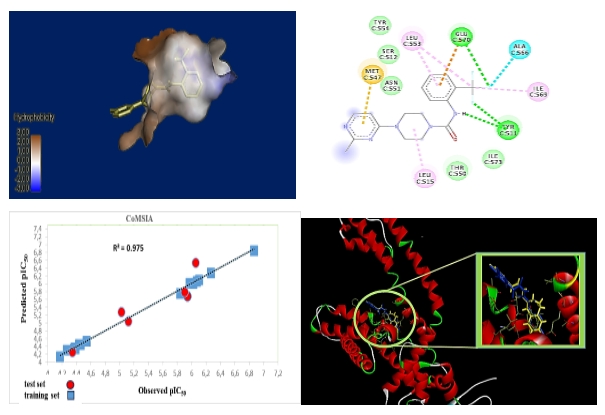
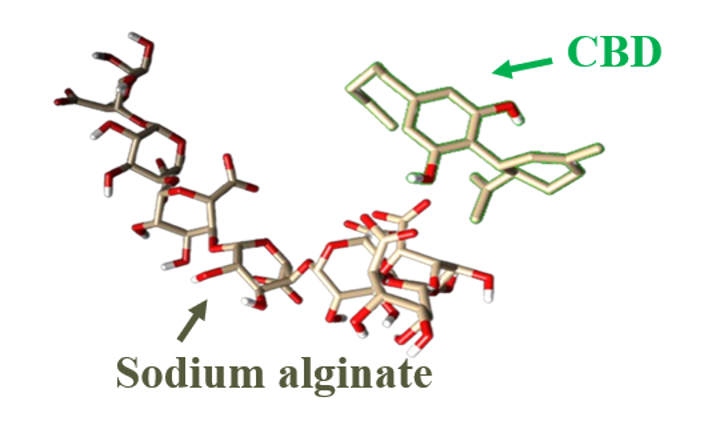
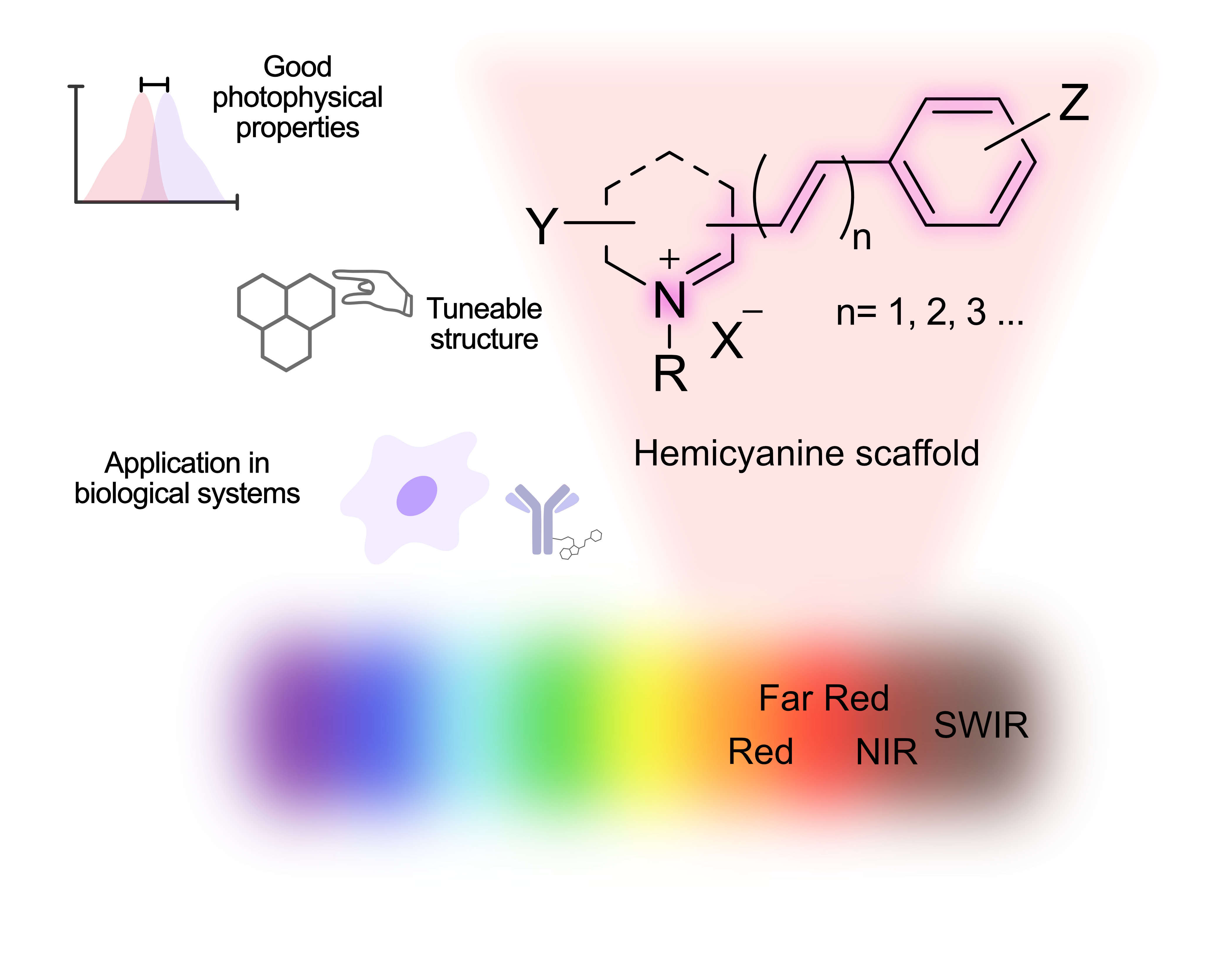
designed to fit in one- or two-columns format. The journal will publish a
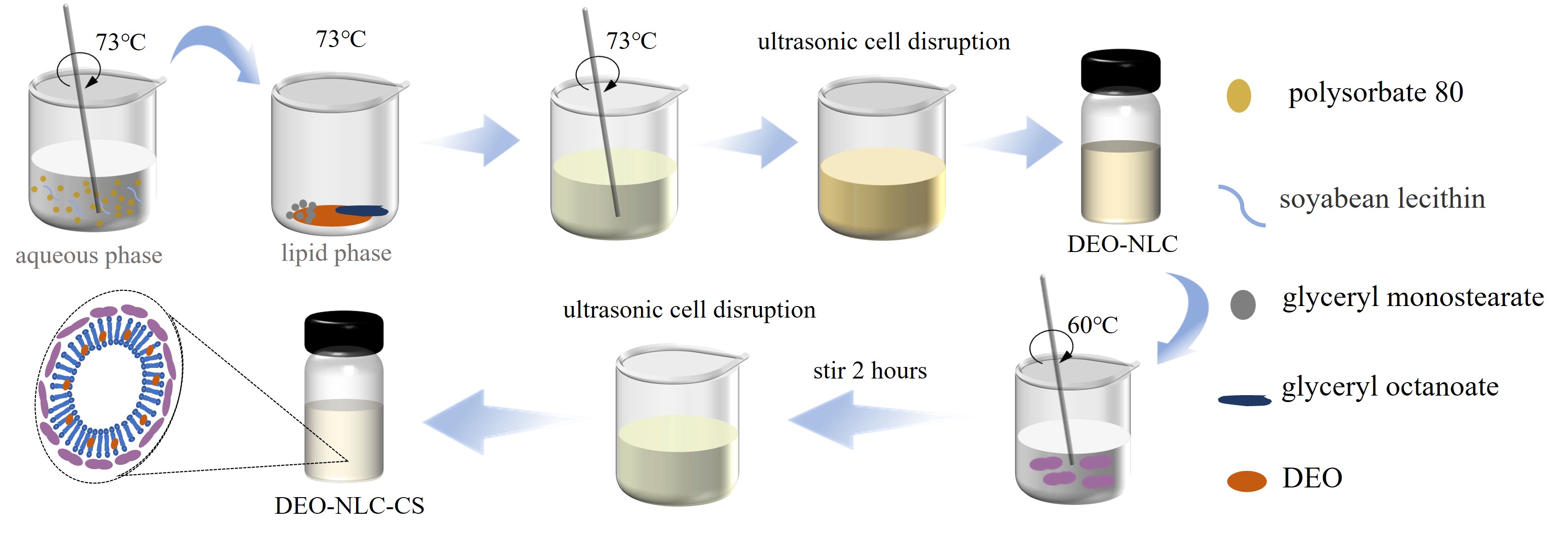
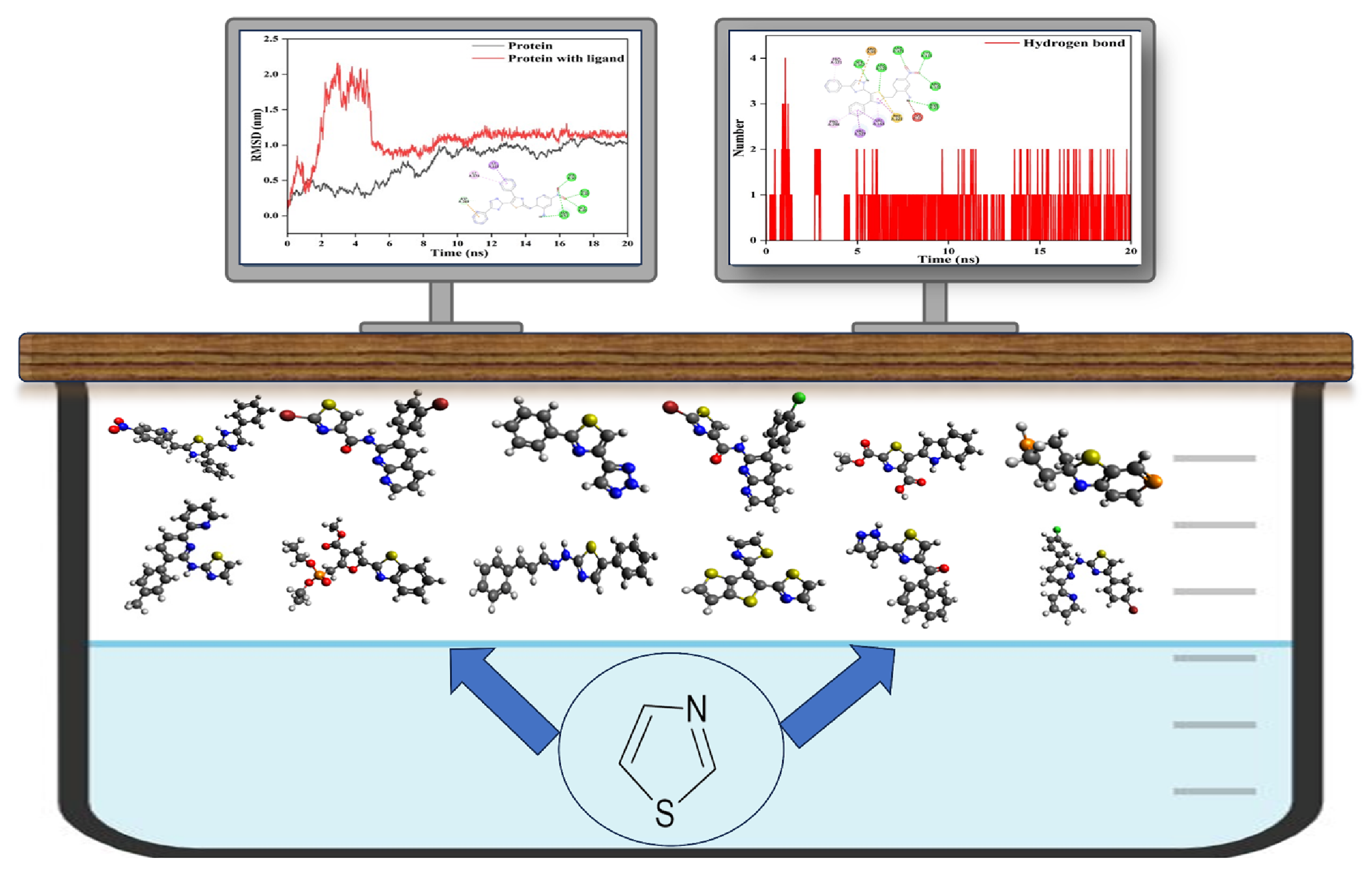
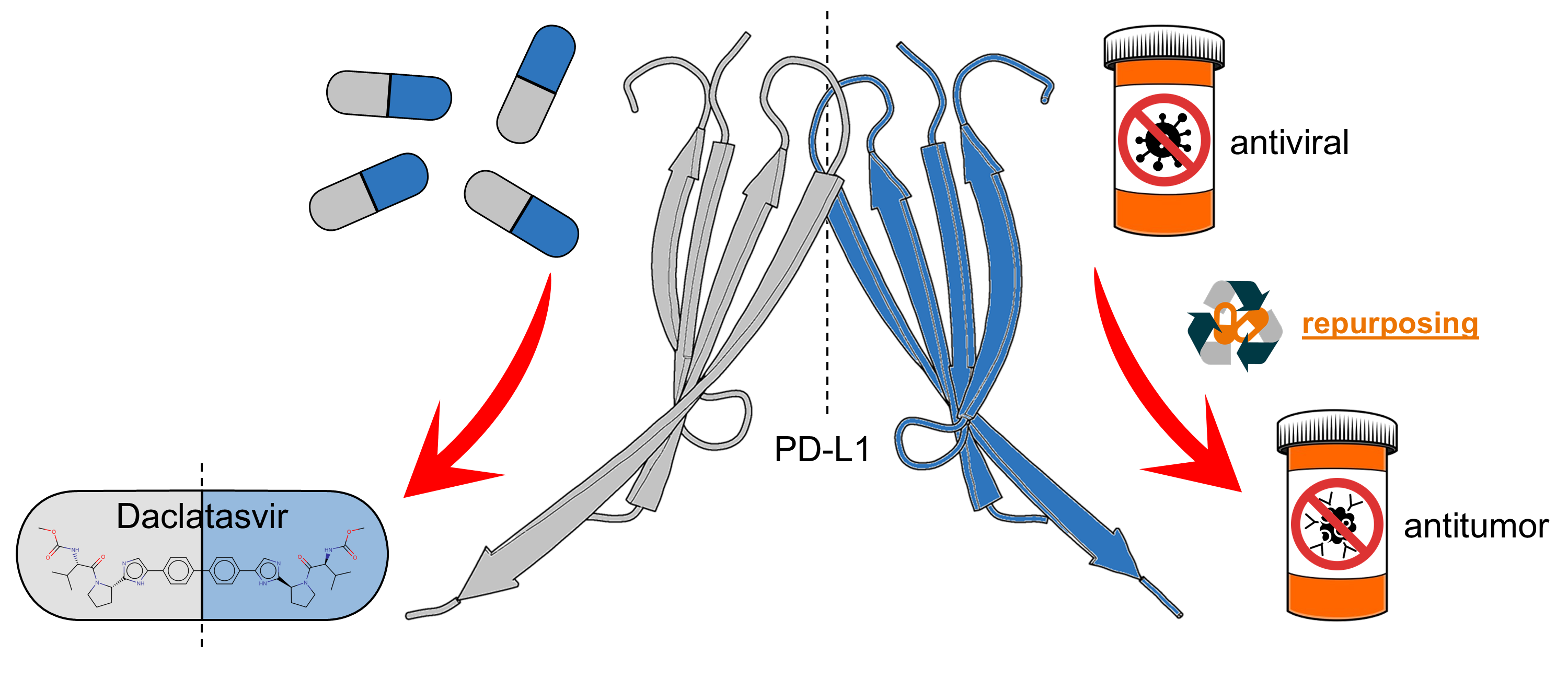
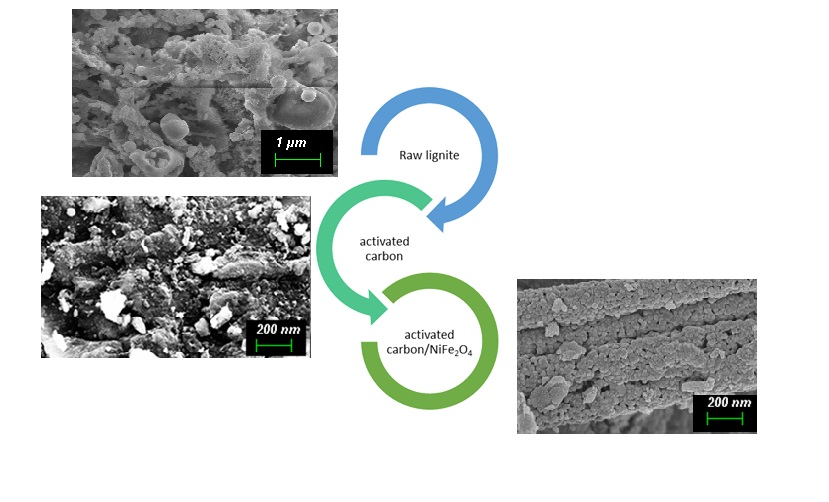
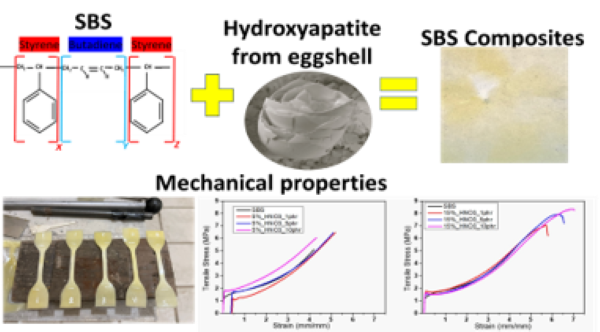
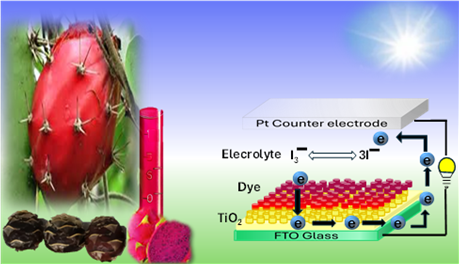
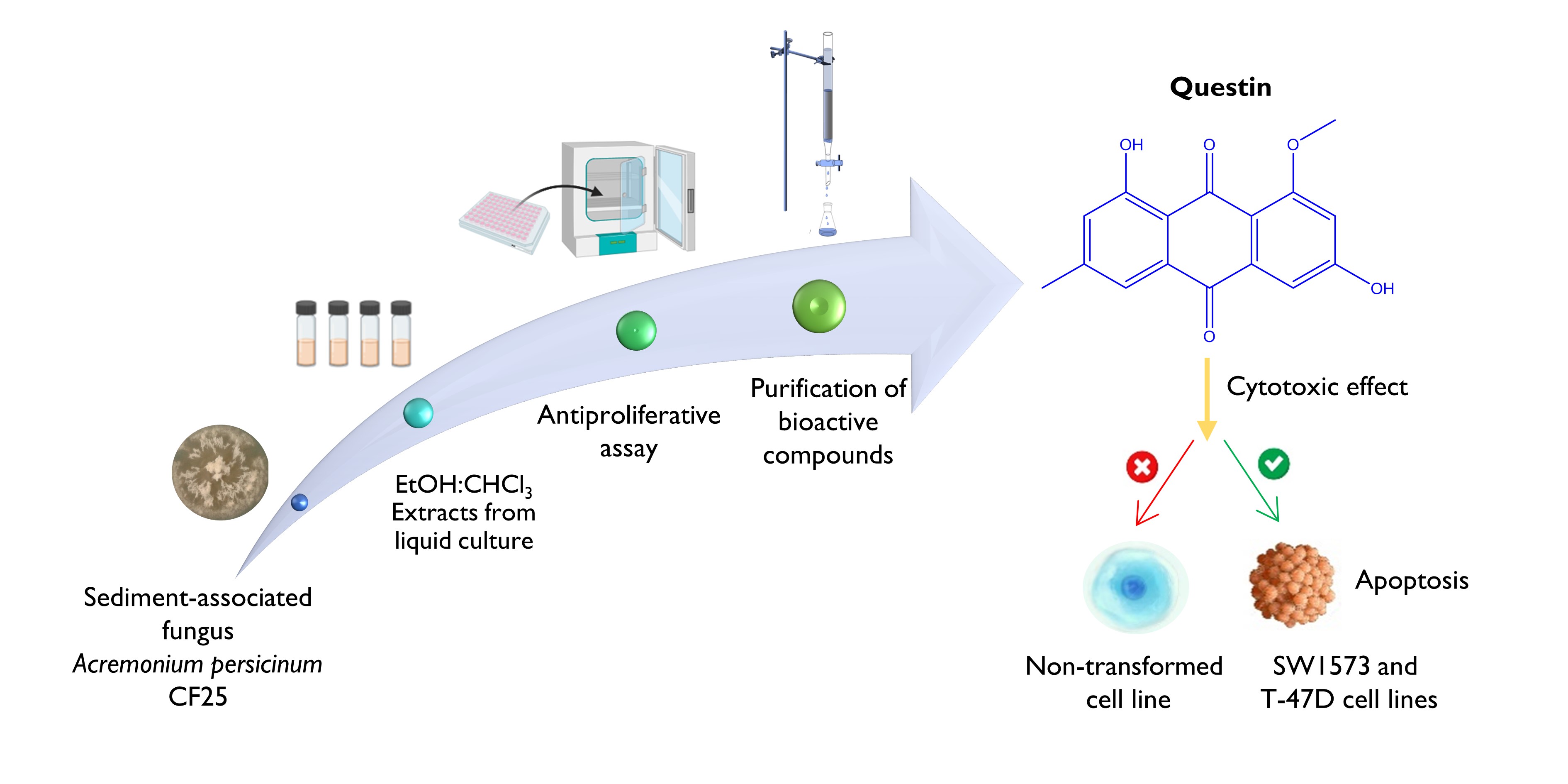
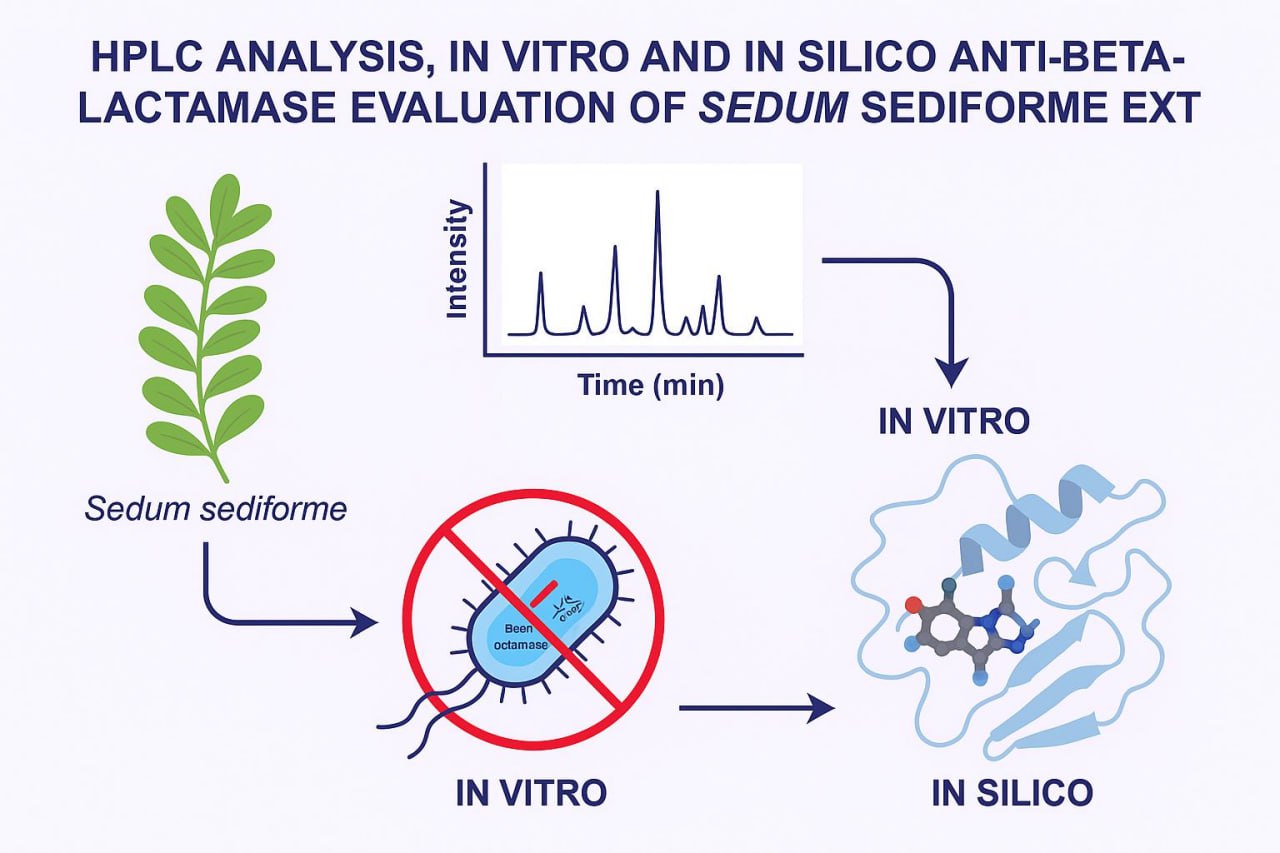
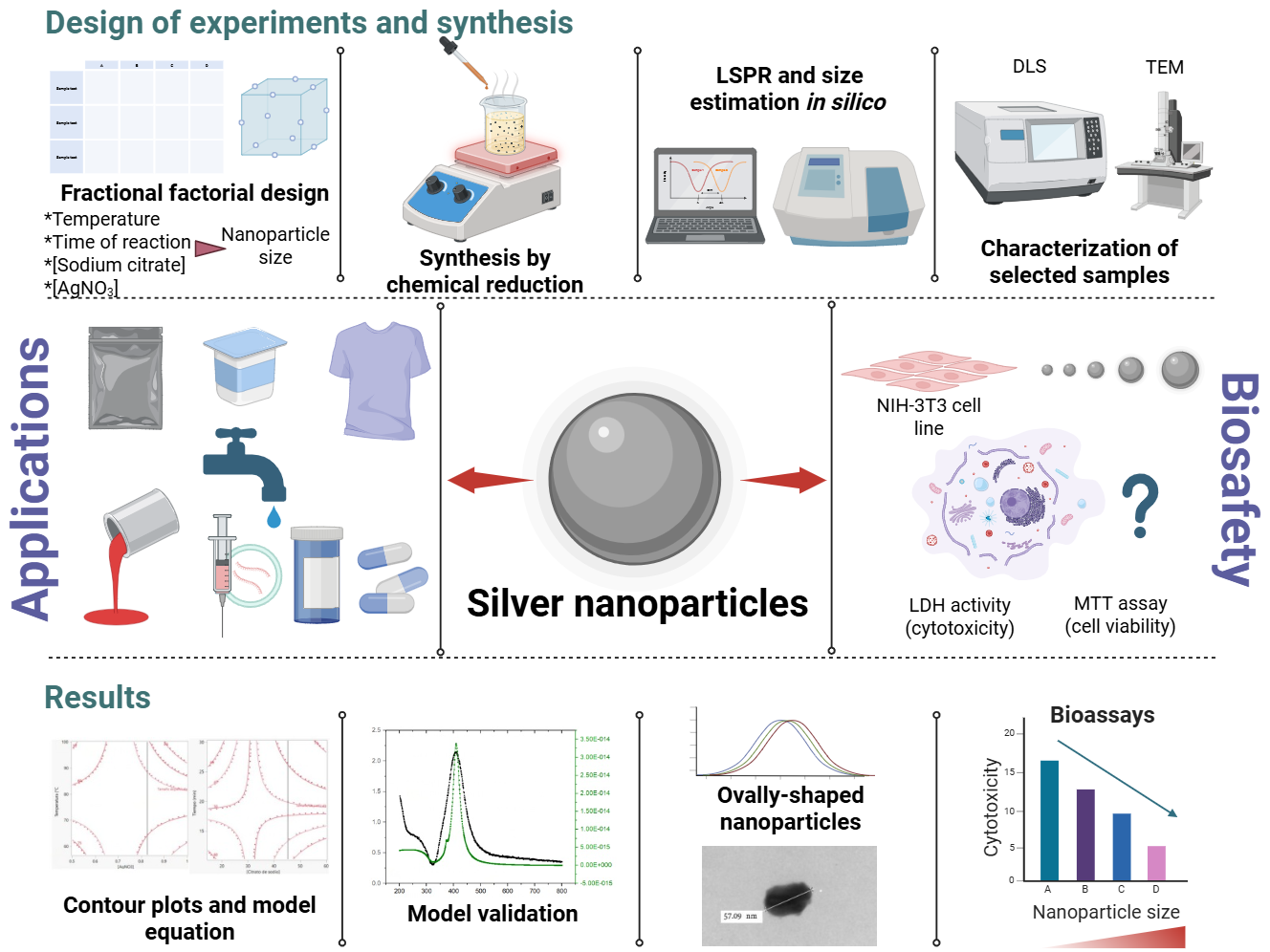
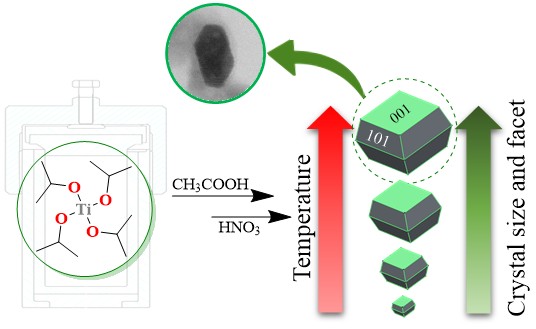
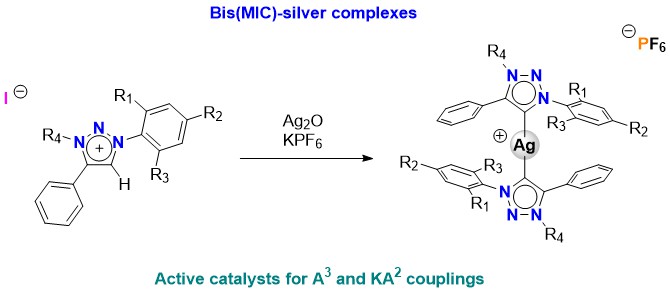
graphical abstract which includes the title and the author list, and
illustrates the content of the paper in a pictorial form. The graphical
abstract is limited to 9.0 cm wide and 4.5 cm tall, and authors may examine J. Mex. Chem. Soc. 2005, 49, 55-60 (joint issue with the J. Braz. Chem. Soc.) for appropriate
examples. Page 1 should contain the article title (brief and informative),
author(s) name(s) (first names and surnames, do not use initials for names, the
corresponding author(s) should be indicated with an asterisk, use superscripts
to indicate different addresses), complete affiliation(s) (the corresponding
author’s mailing address, phone number, fax number or e-mail address should be
included). Page 2 should contain an abstract (both in English and Spanish,
about 80 words) and five to eight key words in both languages.
A suggested
organization of an article is: Introduction,
Results and Discussion, Experimental, Acknowledgements and References. All the sections of the
paper must be presented with the utmost conciseness and clarity. The
measurements and data should be given in the International Units System (SI),
and abbreviations should be used consistently through the text. Avoid
reiteration of information. The discussion should present only the new results
and relate them to existing knowledge in the field, and a paragraph summarizing
the principal conclusion of the article is recommended. Complete X-ray data
should be deposited at the Cambridge Crystallographic Data Centre (http://www.ccdc.cam.ac.uk/products/csd/faqs/#deposition_scheme)
or to Fachinformationszentrum Karlsruhe (FIZ), which will provide codes for
each data set, which are then cited in a reference in the manuscript. If a
representation of the crystal structure is to be included, it should be
accompanied by pertinent crystallographic data, method of collection, and
methods of structure solution and refinement. The experimental section must
contain all the information necessary for reproducibility. Convincing evidence
to confirm the identity of a compound should be provided. All new compounds
should be fully characterized with relevant and detailed spectroscopic data. For
physical and spectroscopic data, the following general style must be used:
For computational
results, pertinent data such as force field parameters and equations should be
included, to allow readers to repeat and reproduce the calculations. References
to the literature should be noted in the text in order of appearance with
numerals between brackets and should coincide with entries in the References
section. It is not recommended to include bibliography of difficult access
(theses, abstracts of meetings, unpublished material, technical reports, work
in press, etc.) as references. The style and punctuation should rigorously
conform to the format in the following examples:
1. Kingsbury, J. S.; Corey, E. J. J.
Am. Chem. Soc. 2005,
127, 13813-13815
2. Vanden Berghe,
D. A.; Vlietinck, A. J., in: Methods in
Plant Biochemistry, Vol. 6, Hostettmann, K., Ed., Academic Press, London, 1991, 47-70.
3. Lehn, J.-M. Supramolecular Chemistry. VCH, Ed.
Weinheim, 1995.
4. Kadin, S.B. US patent 4,730,004 1988. (CA 110, P23729y)
5. http://www.jmcs.org.mx,
accessed in January, 2005
6. Sheldrick, G.
M. SHELXL-93. Program for Crystal Structure Refinement. University of
Göttingen, Germany. 1993.
Journal
abbreviations, technical terms and nomenclature should be those used by Chemical Abstracts. Figures and tables
must not be included in the body of the text. Tables and figures with their
respective legends, each on an individual page, should be added after
references.
The galley proofs of the accepted paper in PDF format
are sent to the author who submitted the script. Corrected galley proofs should
be returned preferably within 48 h by fax or courier mail in a marked printed
copy. If edition errors are published, a correction should be sent by the
author to the Editor for publication in the following issue.
The author will cover to Sociedad Química de México
the cost per page corresponding to the technical edition and printing, and
two issues of the Journal (ca. $ 200.00 MN per page). The author may
request by an explanatory letter the exemption of payment. The Sociedad
Química de México is a non profit association and the acceptance of the
articles for publication in the Journal is solely based on academic grounds.
ACS guidelines
RSC guidelines
J. Mex. Chem. Soc
. 2005, 49, 55-60:
CCDC Guidelines: